
Recovering at home after a hospital stay often requires more than rest. Many patients need skilled nursing, physical therapy, medication management, and ongoing clinical monitoring. Fortunately, trusted Home Health Agencies Montgomery AL provide these services while helping patients recover safely in familiar surroundings.
For many families in Montgomery AL, choosing the right provider begins with understanding the difference between medical home health services and non-medical support. A certified agency offers skilled clinical care ordered by a physician, while additional services, such as In-Home Companionship Care Alabama, can help seniors remain independent throughout recovery. Answered Prayer Home Care understands that successful healing depends on coordinated care, experienced professionals, and compassionate support tailored to each individual’s needs.
Whether your loved one is recovering from surgery, managing a chronic illness, or rebuilding strength after hospitalization, selecting an experienced home health provider can improve comfort, reduce unnecessary hospital readmissions, and support long-term wellness.
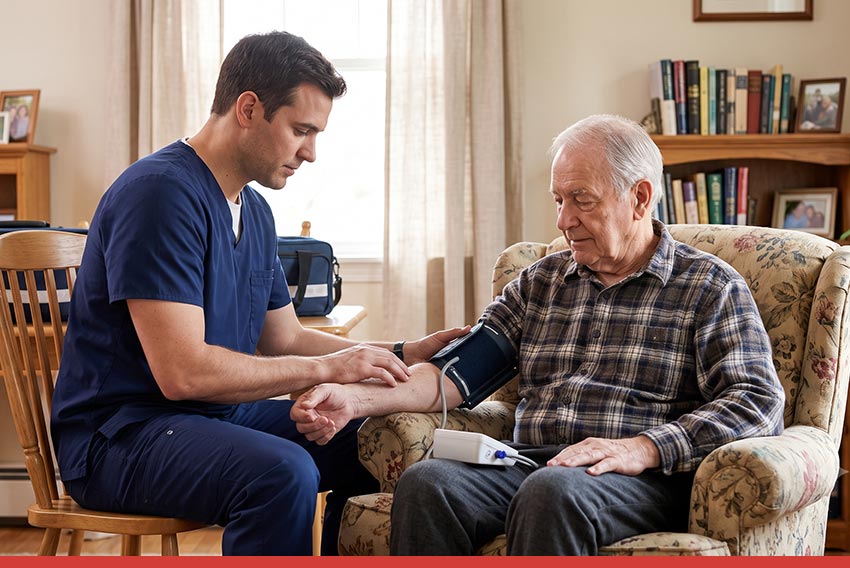
Direct answer: Skilled home health care provides physician-directed medical services in a patient’s home. These services commonly include skilled nursing, physical therapy, occupational therapy, speech therapy, medication management, wound care, chronic disease monitoring, and patient education.
Unlike personal care alone, skilled home health care addresses medical needs that require licensed healthcare professionals. Consequently, patients receive clinical support while remaining in the comfort of home.
Skilled home health care focuses on patients recovering from illness, surgery, or injury. It also supports individuals managing complex medical conditions that require regular professional oversight.
A personalized care plan generally begins after a physician determines that home-based medical services are appropriate. Thereafter, licensed clinicians coordinate treatments according to the patient’s recovery goals.
Patients may receive assistance from:
Every professional contributes specialized expertise while communicating with the patient’s physician and healthcare team.
Skilled nursing is often the foundation of post-hospital recovery.
Registered Nurses evaluate patients, monitor medical conditions, administer prescribed treatments, and educate both patients and caregivers. Moreover, they recognize subtle changes that may require physician attention before complications develop.
Skilled nursing frequently includes:
These services help patients recover more safely while reducing avoidable emergency visits.
Many patients lose strength during hospitalization. Therefore, physical therapy becomes essential for restoring mobility and confidence.
A Physical Therapist evaluates balance, endurance, flexibility, and functional movement before creating an individualized rehabilitation plan.
Treatment may focus on:
Consistent therapy allows patients to regain independence while progressing toward everyday activities.
Occupational therapy emphasizes practical skills needed for independent living.
Rather than focusing only on strength, Occupational Therapists help patients perform essential daily tasks safely.
Common therapy goals include:
These interventions often reduce caregiver burden while supporting aging in place.
Speech-language therapy extends beyond communication challenges.
Following strokes, neurological disorders, or certain surgeries, patients may experience swallowing difficulties or cognitive changes.
Speech Therapists commonly assist with:
Early intervention frequently improves recovery outcomes while supporting nutritional safety.
Medical recovery often benefits from additional non-medical assistance.
While licensed clinicians provide medical treatment, in-home caregivers in Montgomery AL may assist with routine daily activities between clinical visits.
Support commonly includes:
When appropriate, combining skilled services with In-Home Companionship Care Alabama creates a more comprehensive care experience.
Direct answer: Physicians commonly recommend home health care after hospitalization when patients need continued medical treatment but no longer require inpatient care.
The first weeks following discharge often determine how successfully a patient recovers. Therefore, receiving coordinated care at home helps reduce complications while encouraging steady progress.
Hospital discharge does not always mean complete recovery.
Many patients still require medication adjustments, wound monitoring, rehabilitation exercises, or ongoing nursing assessments.
Professional home health care helps bridge the transition between hospital and independent living.
Patients recovering from the following conditions frequently benefit from skilled services:
Early clinical intervention often prevents minor concerns from becoming major medical problems.
Discharge planning begins before patients leave the hospital.
Physicians, nurses, discharge coordinators, therapists, and case managers collaborate to determine the safest recovery plan.
Home health professionals then continue that care at home by:
This coordinated approach helps patients transition confidently into recovery.
Family members frequently become primary caregivers after discharge.
However, many have limited experience managing complex medical needs.
Home health clinicians provide education that helps caregivers understand:
As a result, caregivers feel better prepared while patients receive safer support.
Many older adults strongly prefer recovering at home.
Receiving Post-Hospital Home Health Services Montgomery AL allows seniors to remain in familiar surroundings while maintaining routines that encourage emotional well-being.
Recovery at home may also promote:
These factors often contribute to more positive recovery experiences.
Direct answer: Skilled nursing services delivered at home provide ongoing medical care under physician supervision. These services help patients recover safely while managing chronic illnesses, complex treatments, and changing health conditions.
Certified clinicians continuously assess patient progress while adapting care plans when medically appropriate.
Medication errors remain one of the leading causes of avoidable hospital readmissions.
Accordingly, skilled nurses carefully review medications, educate patients, and identify potential concerns before complications arise.
Medication management often includes:
This structured approach supports safer recovery at home.
Many patients return home with surgical wounds or chronic ulcers requiring specialized attention.
Skilled nurses evaluate healing progress during each visit while following physician-directed treatment plans.
Comprehensive wound care may include:
Proper wound management helps reduce complications while encouraging healthy healing.
Patients living with chronic illnesses benefit from regular clinical oversight.
Home health professionals monitor symptoms while helping patients manage complex health conditions effectively.
Conditions commonly supported include:
Education remains a central component of every care plan because informed patients often achieve better long-term outcomes.
Successful recovery rarely depends on one healthcare professional alone.
Instead, physicians, nurses, therapists, specialists, pharmacists, and caregivers work together to support patient progress.
Certified Home Health Agencies Montgomery AL, coordinate communication among every member of the healthcare team.
This collaborative approach helps ensure treatment remains consistent while reducing unnecessary delays.
Families searching for Home Health Agencies Montgomery AL often seek clinical expertise alongside compassionate support.
Answered Prayer Home Care focuses on coordinated, patient-centered care that respects each individual’s medical needs, recovery goals, and personal preferences. By working closely with physicians, therapists, patients, and family caregivers, the organization helps create a smoother transition from hospital to home while encouraging safe, confident recovery.
Direct answer: Physical therapy after hospitalization helps patients rebuild strength, restore mobility, improve balance, and safely return to daily activities. As part of Skilled Home Health Agencies Montgomery AL, licensed Physical Therapists develop personalized rehabilitation plans that support recovery in the comfort of home.
Many patients experience weakness after surgery, illness, or extended hospital stays. Consequently, beginning therapy soon after discharge often improves functional outcomes while reducing the risk of complications.
Hospitalization can affect muscle strength, endurance, coordination, and confidence. Therefore, early rehabilitation helps patients regain independence while preventing unnecessary setbacks.
A Physical Therapist evaluates each patient’s condition before creating a customized treatment plan. The plan evolves as recovery progresses and goals are achieved.
Physical therapy commonly focuses on:
These goals help patients recover safely while remaining in familiar surroundings.
Many medical conditions benefit from home-based rehabilitation. Moreover, therapy at home allows exercises to be tailored to the patient’s actual living environment.
Physical therapy is frequently recommended after:
Recovery timelines vary for every individual. However, consistent therapy often helps patients progress more confidently.
One advantage of receiving home health care in Montgomery AL is that therapy occurs where patients live every day.
Instead of practicing only in a clinical setting, therapists evaluate:
As a result, exercises become practical and directly support daily independence.
Falls are one of the most common reasons older adults return to the hospital. Therefore, physical therapists make fall prevention a central part of every rehabilitation program.
Recommendations may include:
These strategies help patients move more confidently while reducing injury risk.
Family involvement often improves rehabilitation success.
Physical Therapists teach caregivers how to:
This collaborative approach supports better outcomes while reducing caregiver uncertainty.
Direct answer: Occupational therapy helps patients regain the ability to perform everyday activities safely after illness, injury, or surgery. Occupational Therapists focus on restoring independence while adapting routines to match each patient’s physical and cognitive abilities.
While physical therapy improves movement, occupational therapy emphasizes daily function. Consequently, both therapies often work together during post-hospital recovery.
Everyday tasks can become challenging after hospitalization.
Occupational Therapists evaluate how medical conditions affect routine activities before recommending practical solutions.
Treatment commonly addresses:
These interventions help patients return to meaningful daily routines safely.
A home environment should support recovery rather than increase injury risk.
Occupational Therapists assess potential hazards while recommending practical modifications.
Suggestions may include:
Simple adjustments often improve both safety and confidence.
Many patients temporarily need assistive devices during recovery.
Occupational Therapists educate patients on the proper use of equipment such as:
Learning to use these devices correctly allows patients to perform tasks more independently.
Some illnesses affect memory, attention, and decision-making.
Stroke recovery, neurological disorders, and certain medical conditions may create cognitive challenges that interfere with everyday life.
Occupational therapy may include:
These interventions help patients regain confidence while maintaining greater independence.
Many seniors prefer remaining in their own homes for as long as possible.
Occupational therapy supports aging in place by helping patients adapt to changing abilities instead of giving up important activities.
Combined with In-Home Companionship Care Alabama, occupational therapy creates additional support that encourages independence while reducing caregiver stress.
Direct answer: Speech therapy helps patients recover communication, cognitive, and swallowing abilities affected by illness, surgery, or neurological conditions. Speech-Language Pathologists develop individualized treatment plans that improve safety, independence, and quality of life.
Speech therapy extends well beyond improving speech.
Many patients recovering from strokes or neurological disorders experience challenges with swallowing, memory, or language that require specialized rehabilitation.
Speech-language services may be recommended for patients experiencing:
Early intervention often improves long-term recovery while supporting safer nutrition.
Communication plays a vital role in maintaining independence.
Speech Therapists evaluate speech clarity, language comprehension, and cognitive communication before creating personalized treatment goals.
Therapy may focus on:
Improved communication often strengthens relationships between patients, caregivers, and healthcare providers.
Difficulty swallowing may increase the risk of choking or aspiration.
Speech-Language Pathologists perform swallowing assessments before recommending appropriate treatment strategies.
Care may include:
These interventions help patients eat and drink more safely during recovery.
Some patients experience difficulty concentrating, remembering appointments, or following instructions after hospitalization.
Speech therapy may address:
Improved cognitive skills support greater independence during daily activities.
Speech therapy works best when coordinated with skilled nursing, occupational therapy, physical therapy, physicians, and family caregivers.
This multidisciplinary approach allows patients to receive consistent guidance while progressing toward common recovery goals.
Direct answer: Medicare may cover eligible home health services when a physician determines that skilled care is medically necessary and the patient meets Medicare’s qualifying requirements. Coverage depends on individual circumstances and the established plan of care.
Understanding eligibility helps families make informed decisions after hospital discharge.
Physicians may recommend Medicare Home Health Montgomery AL when patients require intermittent skilled care that can be safely delivered at home.
Examples include:
Eligibility is determined through physician certification and Medicare guidelines.
A physician must evaluate the patient’s condition before ordering home health services.
The physician generally:
Ongoing communication between providers helps ensure continuity of care.
Some patients qualify because leaving home requires considerable effort due to illness or injury.
Examples may include:
Homebound status is evaluated according to Medicare requirements and individual clinical circumstances.
Families benefit from asking thoughtful questions before selecting a Certified Home Health Agency Montgomery AL.
Helpful questions include:
Clear communication builds confidence while helping families understand what to expect throughout recovery.
Successful recovery depends on more than individual treatments.
Instead, physicians, nurses, therapists, patients, and family caregivers work together toward shared goals.
Answered Prayer Home Care emphasizes coordinated, patient-centered services designed to support safe recovery, effective communication, and continuity of care. By combining skilled clinical expertise with compassionate guidance, families in Montgomery can better navigate the transition from hospital to home while promoting long-term health and independence.
Direct answer: Choosing a Certified Home Health Agency Montgomery AL involves evaluating clinical expertise, care coordination, communication, patient-centered services, and the ability to deliver physician-directed skilled care safely at home.
Selecting the right provider is an important decision for every family. Although many agencies offer home-based services, not all provide the same level of clinical support or coordinated care. Therefore, understanding what distinguishes a quality agency helps families make informed choices.
Many families use the terms “home health” and “home care” interchangeably. However, they serve different purposes.
Home health care includes physician-ordered medical services delivered by licensed professionals. These services support recovery from illness, surgery, or chronic medical conditions.
Non-medical home care focuses on daily living assistance, companionship, and personal support. Consequently, many families benefit from combining both services during recovery.
Examples of skilled home health services include:
Non-medical support may include:
When appropriate, combining skilled care with In-Home Companionship Care Alabama creates a more comprehensive recovery plan.
A trusted home health agency employs qualified healthcare professionals with appropriate licensing and training.
Families should confirm that care is provided by experienced clinicians, such as:
Professional credentials help ensure patients receive evidence-informed care that follows accepted healthcare standards.
Every patient’s recovery journey is unique.
An experienced provider begins with a comprehensive assessment before developing a personalized care plan. The plan should reflect the patient’s diagnosis, physician recommendations, rehabilitation goals, and home environment.
Individualized care plans commonly address:
Regular reassessments allow clinicians to adjust treatment as patient’s needs change.
Communication remains one of the most important indicators of quality care.
Families should choose an agency that encourages collaboration among physicians, therapists, nurses, patients, and caregivers.
Effective communication includes:
When everyone understands the care plan, recovery often becomes more efficient and less stressful.
Patient-centered care recognizes that every individual has unique goals, values, and preferences.
Rather than applying identical treatment plans, experienced clinicians adapt services to support each patient’s lifestyle and recovery priorities.
This approach often includes:
These principles strengthen trust while supporting better health outcomes.
Direct answer: Effective home health care depends on continuous coordination between physicians and the clinical care team. Regular communication helps ensure treatments remain appropriate as patients recover.
Hospital discharge marks the beginning of a new phase of care rather than the end of treatment. Consequently, ongoing physician involvement remains essential throughout recovery.
The physician plays a central role in home health services.
Responsibilities commonly include:
Home health professionals implement these physician-directed plans while monitoring patient response.
Registered Nurses serve as an important communication link between patients and physicians.
During each visit, nurses assess clinical status while documenting recovery progress.
Assessments may include:
If concerns arise, nurses communicate findings promptly so physicians can make informed decisions.
Physical, Occupational, and Speech Therapists provide detailed updates regarding rehabilitation progress.
Their observations help physicians understand how patients perform during everyday activities rather than only during office visits.
Therapists evaluate:
These assessments support timely adjustments to treatment plans.
One goal of coordinated care is preventing avoidable complications.
When healthcare professionals communicate effectively, changes in a patient’s condition are often identified earlier.
Examples include:
Early intervention may help patients remain safely at home while avoiding unnecessary emergency care.
Caregivers observe patients between professional visits.
Their feedback often helps clinicians identify changes that require additional evaluation.
Families should report:
Open communication supports timely clinical decision-making throughout recovery.
Direct answer: Many families prefer local Home Health Agencies Montgomery AL, because local providers understand community healthcare resources, coordinate efficiently with nearby physicians, and deliver personalized care that reflects local patient needs.
Local knowledge often strengthens continuity of care while making communication more convenient.
Smaller community-focused providers often develop lasting relationships with patients and caregivers.
Rather than focusing only on clinical tasks, they seek to understand each person’s goals, concerns, and recovery priorities.
Personalized care may include:
These relationships help create greater confidence throughout recovery.
Local providers often work closely with healthcare professionals throughout Montgomery and Montgomery County.
Their understanding of local healthcare systems may improve communication with:
This familiarity supports smoother transitions between different levels of care.
Most older adults prefer remaining at home whenever possible.
Receiving Skilled Home Health Care in Montgomery allows seniors to recover in familiar surroundings while maintaining greater independence.
Benefits of aging in place may include:
When appropriate, In Home Caregivers Montgomery AL can provide additional assistance that complements skilled clinical services.
Families often remember how healthcare professionals make them feel during difficult moments.
Clinical knowledge remains essential. However, compassion, patience, and respectful communication also influence the overall care experience.
Patients recovering from serious illness frequently benefit from healthcare professionals who:
These qualities help build trust throughout the healing process.
Answered Prayer Home Care strives to support patients through individualized care planning, interdisciplinary collaboration, and compassionate clinical services.
The organization’s approach emphasizes communication, evidence-informed practices, caregiver education, and coordinated recovery designed to help patients safely transition from hospital to home.
Direct answer: Asking thoughtful questions helps families compare providers and determine whether an agency can meet a loved one’s medical, rehabilitation, and personal needs.
Preparing questions before the first consultation encourages informed decision-making while improving confidence.
Understanding available services helps families determine whether the agency matches the patient’s needs.
Consider asking:
These questions clarify how recovery will be managed.
Communication should remain consistent throughout treatment.
Helpful questions include:
Reliable communication strengthens continuity of care.
Family caregivers often become essential members of the healthcare team.
Ask whether clinicians provide education regarding:
Well-informed caregivers frequently feel more confident supporting recovery.
Recovery should include measurable progress.
Families may ask:
These discussions help establish realistic expectations.
Some patients recover quickly, while others require ongoing assistance.
Families should discuss future planning, including:
Forward-thinking conversations help families prepare for changing healthcare needs.
Choosing among Home Health Agencies Montgomery, AL requires balancing clinical expertise, compassionate care, communication, and individualized support.
Families who understand available services can make confident decisions that promote safer recovery and improved quality of life. By combining Skilled Home Health Care Montgomery with coordinated physician oversight and, when appropriate, supportive services such as In-Home Companionship Care Alabama, patients have greater opportunities to recover successfully while remaining in the comfort of home.
Many Home Health Agencies Montgomery AL provide skilled nursing after physician referral. Families should look for a Certified Home Health Agency Montgomery AL, offering medication management, wound care, therapy coordination, and patient education. Choosing an experienced provider helps support a safe transition from hospital to home.
Medicare Home Health Montgomery AL may cover eligible skilled nursing, physical therapy, occupational therapy, and speech therapy when ordered by a physician and medical requirements are met. Families should discuss eligibility with both the healthcare provider and the selected home health agency before services begin.
Home Health Care Montgomery AL provides physician-directed medical treatment delivered by licensed professionals. Non-medical care focuses on personal assistance, companionship, and everyday support. Many families combine skilled care with In-Home Companionship Care Alabama to create a well-rounded recovery plan.
Many patients begin Post-Hospital Home Health Services Montgomery AL shortly after discharge once physician orders are completed and the care plan is established. Early clinical support helps monitor recovery, reinforce discharge instructions, and identify concerns before they become more serious.
An experienced, skilled nurse may provide medication management, wound care, health assessments, chronic disease monitoring, patient education, and communication with physicians. These services help patients recover safely while reducing unnecessary hospital readmissions whenever possible.
Yes. Skilled Home Health Care Montgomery often includes home-based physical therapy. A licensed Physical Therapist develops individualized exercises that improve strength, mobility, balance, and fall prevention while helping patients safely regain independence in their everyday environment.
Families should evaluate licensing, professional qualifications, communication practices, physician coordination, personalized care planning, and rehabilitation services. Selecting one of the Best Home Care Montgomery AL, providers means choosing compassionate clinicians who focus on patient safety and recovery.
Absolutely. Family caregivers play an important role throughout recovery. Home health professionals provide education on medication routines, mobility assistance, fall prevention, and symptom monitoring. This collaborative approach helps caregivers feel more confident while supporting better patient outcomes.
Older adults, individuals recovering from surgery, stroke survivors, patients with heart disease, COPD, diabetes, neurological conditions, and those requiring ongoing skilled nursing often benefit from Home Health Care Montgomery AL. Personalized treatment supports recovery while allowing patients to remain at home.
Many families appreciate Answered Prayer Home Care because of its patient-centered approach, coordinated clinical services, caregiver education, and commitment to individualized support. By working closely with physicians and families, the organization helps patients recover safely while maintaining dignity and independence.
Choosing among Home Health Agencies Montgomery AL is one of the most important decisions families make after a loved one leaves the hospital. Although every recovery journey is unique, timely access to skilled nursing, physical therapy, occupational therapy, speech therapy, and coordinated medical oversight can significantly improve the transition from hospital to home.
Equally important, recovery succeeds when healthcare professionals, physicians, patients, and family caregivers work together toward shared goals. Personalized care planning, ongoing communication, medication management, rehabilitation, and caregiver education all contribute to safer outcomes and greater confidence throughout the healing process.
For seniors who wish to remain independent, combining skilled clinical services with supportive options such as In Home Caregivers Montgomery AL, and In-Home Companionship Care Alabama can help make aging in place both safer and more comfortable. Families searching for Affordable Home Care in Montgomery or the Best Home Care Montgomery AL should focus on providers that emphasize clinical excellence, compassionate communication, and individualized care rather than one-size-fits-all solutions.
Answered Prayer Home Care is committed to supporting patients and families through evidence-informed, physician-directed home health services that encourage recovery, independence, and long-term well-being. By delivering coordinated care with compassion and professionalism, the organization helps patients recover with confidence while remaining in the comfort of their home.
If your loved one is preparing to return home after a hospital stay, consider scheduling a professional home health assessment with Answered Prayer Home Care. An individualized evaluation can help determine the most appropriate skilled nursing, therapy, and supportive services to promote a safe recovery, greater independence, and peace of mind for the entire family.