
Watching a parent need more help at home can feel overwhelming. Fortunately, elderly home assistance Montgomery AL families trust can keep loved ones safe and independent.
Many families first wonder how this support compares with medical care. Here is the short answer.
Home assistance is non-medical care that helps seniors with daily tasks like bathing, meals, housekeeping, and companionship. Home health care, by contrast, is skilled medical care usually ordered by a doctor. Licensed nurses or therapists provide it for wound care, injections, or rehab. Simply put, one supports daily living, while the other treats health conditions.
Understanding this difference matters. After all, the right choice affects your parent’s comfort, safety, and budget.
In this guide, Answered Prayer Home Care Services explains the senior care services Montgomery families use most. You will also see how home assistance compares with home health care in Montgomery. Finally, you will learn what shapes costs and how to get started.
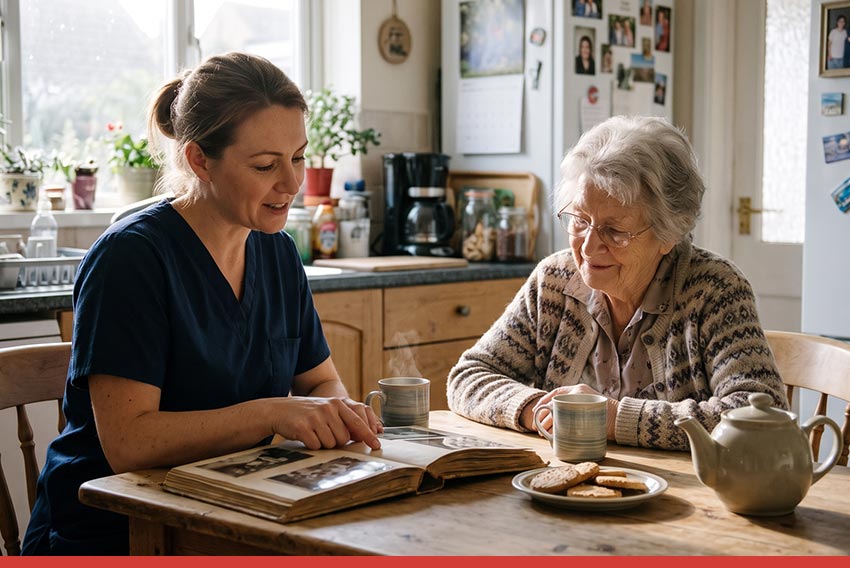
Elderly home assistance in Montgomery, AL, is non-medical support that helps older adults manage daily life at home. It focuses on comfort, safety and independence rather than medical treatment.
Trained caregivers visit on a schedule that suits your family. For example, some seniors need only a few hours of help each week. Others, however, benefit from daily or overnight support.
This non-medical home care for elderly adults is often called personal care or companion care. Either way, the goal stays the same. Your loved one keeps living in a familiar place, surrounded by cherished routines.
For many families, aging-in-place support in Montgomery, AL also eases daily worry. Consequently, adult children can return to being sons and daughters, not just caregivers.
The main difference is medical need. Home assistance helps with everyday living, while home health care delivers clinical treatment under a doctor’s orders.
Both services can work side by side. In fact, many seniors receive home health care after a hospital stay, then continue with home assistance.
Start by looking at your parent’s daily challenges. If the struggles involve cooking, bathing or loneliness, home assistance is likely the right fit.
On the other hand, a new diagnosis, surgery, or a wound may call for skilled care. In that case, talk with your parent’s doctor about home health care in Montgomery.
Still unsure? A home care assessment can help clarify which services fit best.
Most families start with a few core services, then adjust as needs change. Below are the options requested most often for in-home assistance for seniors in Montgomery, AL.
Additionally, these services can be combined into one personalized plan. That flexibility makes home assistance for elderly parents easier to fit into busy family lives.
Changes often appear slowly, so they are easy to miss. However, certain signs suggest your parent may benefit from senior in-home help in Montgomery.
If you notice several of these signs, it may be time to talk. Begin with an open, respectful conversation. Above all, include your parent in every decision about elderly home assistance in Montgomery, AL.
The cost of elderly home assistance in Montgomery, AL depends on your loved one’s unique needs. Because every plan is personalized, no two families have the same arrangement.
Knowing what shapes the cost helps you plan with confidence.
Notably, starting with fewer hours can make care more manageable. You can then add support as needs grow.
Always confirm eligibility directly with each program or insurer. Benefits and rules can change over time.
The best home care Montgomery AL families choose fits their loved one’s needs, personality, and values. Therefore, ask clear questions before you commit.
Also, trust your instincts. A good provider listens carefully and answers questions with patience and clarity.
Caring for a parent is an act of love. Yet, without support, it can lead to exhaustion, stress, and quiet resentment.
Common signs of caregiver burnout include poor sleep, irritability, frequent illness, and isolation. Many caregivers also juggle jobs and children at the same time.
Respite care offers a practical solution. A trained caregiver steps in for a few hours or days. Meanwhile, you can rest, run errands or simply recharge.
Sharing care is not giving up. Instead, it protects your health so you can keep showing up for your parent.
Getting started is simpler than most families expect. While each provider differs slightly, most follow similar steps.
Involve your parent in each step. As a result, they will feel respected and more at ease with the change.
Home assistance is non-medical help with daily tasks like bathing, meals, and companionship. Home health care is skilled medical care, usually ordered by a doctor and provided by nurses or therapists. Many seniors in Montgomery use both, especially after a hospital stay, to recover safely and stay independent at home.
Generally, Medicare does not cover non-medical home care when it is the only care needed. However, it may cover skilled home health care for eligible, homebound patients. Families often use private pay, long-term care insurance or VA benefits instead. Always confirm coverage directly with Medicare before planning care.
Start by defining your loved one’s needs, since care hours and support level shape costs. Next, ask providers about flexible schedules and care plans that grow over time. Also, review long-term care insurance, VA benefits, and Alabama Medicaid waiver programs. Each may help your family plan with confidence.
Non-medical home care usually includes personal care, companionship, meal preparation, light housekeeping, medication reminders, and transportation. Many senior care services in Montgomery also offer respite and memory care support. Together, these services help seniors live safely and comfortably at home.
Watch for missed medications, falls, weight loss, a messy home, or poor hygiene. Withdrawal from friends and growing forgetfulness are also common signs. If you notice several changes, talk with your parent openly and kindly. A home care assessment can then clarify which type of in-home support fits best.
Look for screened, trained, and supervised caregivers. Ask how the agency matches caregivers, handles schedule changes, and updates families. The best home care Montgomery AL families choose also offers flexible, personalized plans. Above all, choose a provider who listens and treats your parent with dignity.
Yes. Respite care gives family caregivers time to rest, work or handle personal needs. A trained caregiver steps in for a few hours or longer, so your parent is never alone. As a result, families can share the load, reduce stress, and stay healthier. This balance benefits everyone, including your aging parent.
Simply contact a local home care provider and share your loved one’s needs. Usually, a care coordinator then visits the home to discuss routines, safety, and goals. With Answered Prayer Home Care Services, you can schedule a home care assessment. Together, you can then explore the right care plan for your family.
Yes, they often work well together. For example, a nurse may handle wound care while a home assistance caregiver helps with meals and bathing. Combining both services supports recovery and daily comfort. Coordinate with your parent’s doctor and your home health care Montgomery provider for the best results.
Yes. Many providers include memory care support as part of elderly home assistance in Montgomery, AL. Caregivers help with daily routines, gentle redirection, safety, and companionship. Familiar surroundings may also ease anxiety. Ask each provider about caregiver experience with Alzheimer’s and dementia care.
Elderly home assistance in Montgomery, AL helps seniors stay safe, comfortable, and connected at home. Unlike home health care, it focuses on daily living rather than medical treatment.
Knowing the difference helps you choose wisely. Equally important, understanding cost factors and payment options lets you plan with confidence. Whether your parent needs light companionship or daily personal care, the right support truly matters. Moreover, it gives family caregivers room to breathe again.
At Answered Prayer Home Care Services, we understand how personal this decision feels. Our team provides compassionate, non-medical home care for elderly adults in Montgomery.
Looking for affordable home care in Montgomery that puts your family first? Schedule a home care assessment with Answered Prayer Home Care Services today. Together, we can build a plan that brings comfort to your parent and peace to your family.